Commercial Fire Protection Colorado Overview: How Alarms, Sprinklers, Suppression, and Emergency Response Functions Fit Together
Commercial fire protection is easiest to understand when you stop looking at each device by itself and start looking at the building as a whole. A horn or strobe does not protect a property on its own. A sprinkler head does not solve every fire problem. A monitoring signal matters, but only if the system behind it was designed, installed, tested, and maintained properly.
That bigger picture matters in Colorado, and especially in busy metro areas where owners, facility managers, and contractors often juggle tenant demands, permits, inspections, and code updates all at once. If you manage a warehouse, office building, restaurant, school, retail center, or mixed use property, commercial fire protection Colorado requirements do not really operate as separate boxes. They function as one connected chain. When one link is weak, the rest of the system feels it.
In Denver, the authority having jurisdiction includes the Fire Code Official, the Fire Marshal, and the Denver Fire Department Fire Prevention Division. Those authorities enforce fire code requirements and inspect hazards, disabled life safety systems, and false alarms. That alone tells you something important. Fire protection is not just about equipment in the ceiling or on the wall. It is about readiness, documentation, proper operation, and the condition of the building around those systems.
The way a protected building actually works
At a practical level, most commercial systems revolve around four connected functions: detecting a fire condition, notifying occupants and responders, controlling or suppressing the fire, and proving through inspection and testing that the whole arrangement is still dependable.
Here is the simplest way to think about it:
- fire alarm systems detect, supervise, and communicate
- sprinkler and other water based systems control fire growth
- suppression systems protect special hazards where water may not be the best match
- inspections, testing, and certification show whether the systems are ready to perform
- emergency response depends on all of the above working together when seconds matter
That may sound straightforward, but the real work is in the handoffs. I have seen buildings where each trade did its own part well enough on paper, yet the owner still had a rough acceptance process because the systems were not coordinated. A fire alarm panel may have been installed cleanly, for example, but if waterflow, tamper supervision, pump status, or other required inputs were not lined up properly, the building was not truly ready. That is where projects slow down and where frustration begins.
Fire alarms are the communication backbone
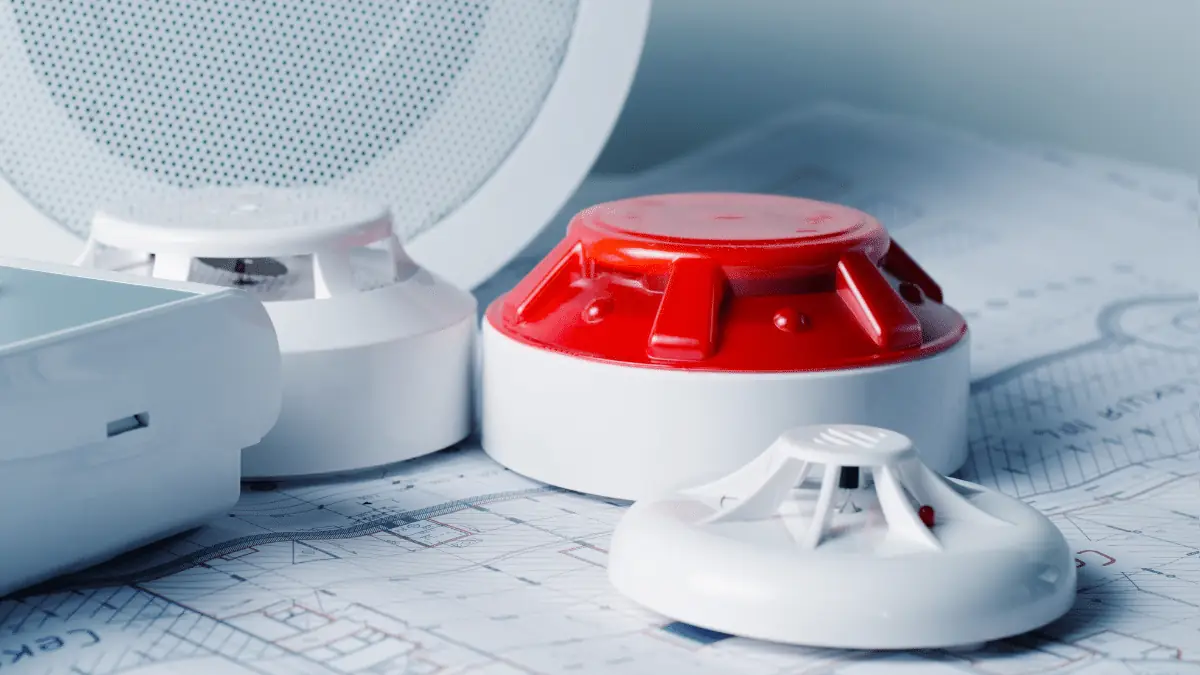
When people search for fire protection Denver services, they often start with alarms, and that makes sense. The fire alarm system is usually the most visible part of the life safety package. Occupants hear it, see it, and react to it. Building staff interact with it. Inspectors review the records behind it. Monitoring centers rely on its signals.
NFPA 72 is the national fire alarm and signaling code for design, installation, inspection, testing, maintenance, and emergency communications systems. In plain terms, it is the framework that governs how a fire alarm system should initiate signals, notify people, supervise critical components, and stay dependable over time.
That supervision piece matters more than many owners realize. A fire alarm system is not only there to react to smoke or heat. It also watches key conditions. If a valve is tampered with, if a device circuit has a problem, or if another supervised component changes state, that information has to be managed correctly. In a commercial setting, that is one reason fire alarm monitoring Denver service becomes such an important part of the overall picture. Monitoring is not magic by itself, but it provides a path for off site awareness when the system reports trouble, supervisory conditions, or alarm events.
A common misunderstanding is that monitoring somehow replaces maintenance. It does not. Monitoring tells you when the system sends a signal. It does not guarantee every initiating device, notification appliance, interface, and supervisory point is healthy unless the system has been properly maintained and tested.
Sprinklers do the heavy lifting during fire growth
If alarms are the communication backbone, sprinklers are often the system doing the most physical work when a fire begins to spread. In many commercial occupancies, the sprinkler system is the main fire control feature. Its job is not to make a building invincible. Its job is to respond in a way that limits fire growth and buys time.
Colorado law is clear that fire suppression system installation, modification, alteration, or repair generally cannot begin until required permits are obtained and the job has been registered, with working plans and hydraulic calculations reviewed and approved. That is a useful reminder for anyone planning fire sprinkler installation Denver work. Sprinklers are not a field improvization trade. They are engineered, reviewed, and documented systems.
Owners sometimes see sprinkler work as largely hidden infrastructure, something above the ceiling that stays out of sight until a tenant improvement forces the issue. That is often when the complexity becomes visible. Move walls, change room use, revise ceiling layouts, or alter storage arrangements, and the sprinkler design implications can show up fast. Even when the piping changes look minor, they still sit inside a regulated system that depends on permits, plans, and approval.
Denver also notes that permits are required for most construction, alteration, or repair work on private property. On top of that, the city adopted new 2025 Building and Fire Codes effective December 31, 2025, with some projects allowed to use either the 2025 or 2022 code set depending on the submittal date. For building owners and contractors, timing matters. The same project can feel very different administratively depending on when it enters review.
Suppression is not always the same as sprinklers
People often use the phrase fire suppression systems Denver as if it means only sprinklers. In the field, that shorthand can create confusion. Sprinkler systems are one type of suppression, specifically water based fire protection. But suppression can also describe systems used for special hazards or conditions where another method is selected.
The verified record here supports a careful distinction. Colorado law speaks directly to fire suppression system installation and plan review. That tells us suppression work is treated as a formal, permit driven scope. What we should not do is pretend every suppression application works the same way. The design approach, approval path, and testing expectations depend on the system type and the hazard being protected.
That is where experienced judgment becomes important. A standard office tenant finish and a specialized hazard area are not the same conversation, even if both live under the same roof. The owner still wants one thing, though: a coordinated result where alarm, suppression, and emergency procedures make sense together.
Water supply components are part of the protection story too
A sprinkler system is only as reliable as the water based infrastructure supporting it. This is where owners often overlook the less visible parts of the system, especially until inspection season or a service issue brings them to the surface.
NFPA 25 is the standard see more for the inspection, testing, and maintenance of water based fire protection systems. That includes the systems themselves and the ongoing care needed to keep them operational. In day to day property management terms, this is where tasks such as fire pump inspection Denver work and backflow inspection Denver coordination come into view.
You do not need to overcomplicate this. If the building depends on water based fire protection, then the components that move, control, or protect that water supply matter. If one part is impaired, the practical effect can ripple across the rest of the system. That is why good service providers and organized facility teams do not treat pump work, sprinkler testing, and related inspections as random independent chores. They schedule and track them as part of one life safety obligation.
I have found that the most successful properties are usually not the ones with the fanciest equipment. They are the ones with disciplined records, realistic scheduling, and somebody who knows which items are due next and why.
Annual inspections are where theory meets the real building
Fire systems can look perfect on approved drawings and still run into problems in the field. Exit paths get obstructed. A life safety device gets painted over. Documentation goes missing after a remodel. A system that was accepted months ago may now have a trouble condition no one resolved properly. That is one reason Denver’s annual inspection program matters so much.
Denver states that commercial and institutional properties are inspected annually, typically about every 12 months. During those fire safety inspections Denver officials may review exits, emergency lighting, fire resistive separations, fire lanes, and test records for fire safety systems. If violations are found, an order notice for correction can follow.
That broad scope is worth paying attention to. A fire inspection is not limited to checking whether a panel lights up or whether a riser room door is unlocked. It connects the physical building, the egress conditions, and the paperwork behind the protection systems. In practice, that means an annual visit can expose issues that different departments inside the same company each assumed someone else was handling.
This is also where fire extinguisher inspections Denver service fits into the larger picture. Extinguishers are simple compared with alarm and sprinkler systems, but they still belong to the same readiness mindset. A property that ignores small compliance items often has deeper organizational gaps somewhere else.
Permits, plan review, and acceptance are not side issues
Many project delays happen because owners think of permitting and acceptance as an administrative layer added after the real work is done. In fire protection, that mindset creates pain. The paperwork is part of the work.
Denver’s plan review process includes fire protection engineering review. The city also notes that acceptance or approval is required before final sign off of fire alarm and fire protection permits. That is a critical point for any project involving fire protection Denver scopes. A system is not really finished because the devices are mounted and the wiring is pulled. It is finished when the required review, testing, and approval path is complete.
Denver guidance also indicates that system acceptance testing and permits may involve coordination with the Fire Department, and that special inspections can occur outside normal business hours when needed. That last detail tends to matter on active commercial properties. Hospitals, schools, occupied offices, hospitality spaces, and industrial operations do not always have the luxury of a quiet daytime shutdown window. If testing needs to happen after hours, that should be discussed early, not discovered late.
One of the most practical habits a building owner can adopt is to ask early who is responsible for each approval step. Not in a vague sense, but by name and scope. Who is submitting plans. Who is coordinating testing. Who is responsible for records. Who is attending the acceptance event. Who is tracking corrections if something fails the first time.
That kind of discipline saves money because it cuts down on repeated mobilizations and failed appointments.
Where emergency response fits in
Emergency fire protection Denver planning is not only about installed equipment. It is about what happens when the alarm activates, when occupants move, and when responders need a usable building.
A well protected property helps emergency response by giving people a prompt signal, maintaining viable exits, reducing fire growth through water based protection or other suppression, and providing reliable system status. A poorly maintained property does the opposite. It delays recognition, creates confusion, and makes response harder.
There is also a less dramatic but very real issue here: false alarms and disabled systems. Denver specifically enforces hazards, disabled life safety systems, and false alarms through its fire prevention authority. That is not a small administrative detail. False alarms can wear down trust and disrupt operations. Disabled systems create a far bigger risk, because they leave a building dependent on protection features that may not actually be available when needed.
From an operations standpoint, the smartest approach is to treat impairment, trouble, and recurring false signals as management issues, not just technical annoyances. If a property repeatedly shrugs off those problems, it is usually only a matter of time before inspection findings or an operational emergency forces the issue.
The certification mindset owners should understand
People often search for fire system certification Colorado because they want clarity on when a building is truly ready, current, or compliant. The practical answer is that certification is not one magic stamp that replaces everything else. It is the result of proper design where required, permitted work, successful review, testing, approval, and ongoing inspection and maintenance.
That distinction matters. A building might have had a system accepted during construction, but years later still fall short if inspections were missed, records were not maintained, or tenant changes affected the layout and system coverage. On the other hand, a diligent owner who keeps up with testing, corrections, and documentation usually finds that code interactions go much more smoothly.
When people refer to NFPA compliance inspections Colorado, they are usually trying to verify that their obligations under standards such as NFPA 72 and NFPA 25 are being addressed in a real, documentable way. The best service relationships support that by giving the owner clear records, realistic recommendations, and honest explanations of what is required now versus what should be planned next.
A few pressure points that deserve extra attention
Most commercial properties run into trouble at the seams between systems and responsibilities, not at the obvious headline items. These are the areas I would watch closely:
- tenant improvements that affect alarm or sprinkler layouts
- annual inspections where records are incomplete or hard to locate
- trouble or supervisory signals that stay unresolved too long
- acceptance scheduling that starts too late in the project timeline
- assumptions that a monitored system is automatically a compliant system
Each one looks manageable by itself. Together, they create the pattern behind many avoidable delays and violations. The owner is often surprised because no single problem looked catastrophic at first glance. That is exactly why coordination matters.
What good coordination looks like in practice
Good commercial fire protection Colorado management is usually quiet. There is less drama, fewer rushed calls, and fewer surprises during inspection windows. You can often tell within a few minutes whether a property team has a handle on the basics. They know what systems they have. They know when they were last tested. They know where the records are. They understand that alarm, sprinkler, suppression, pump, and backflow issues are connected.
By contrast, the most stressful sites are often the ones where the life safety program lives in fragments. One vendor has some records. An old property manager had others. A tenant did untracked work years ago. The monitoring account exists, but no one is fully sure how recent changes were documented. Then an annual inspection or permit closeout brings all of that uncertainty into the open.
Friendly, practical fire protection service should reduce that confusion, not add to it. Owners do not need more jargon. They need a clear view of what is installed, what must be inspected, what still needs correction, and what the jurisdiction will expect during review or acceptance.
Why the systems have to be treated as one ecosystem
The easiest mistake in fire protection is to think in parts instead of relationships. Alarm devices, monitoring connections, sprinkler piping, pumps, backflow assemblies, extinguishers, annual inspections, acceptance testing, and code enforcement can feel like separate topics because different people handle them on different days.
In reality, they form one ecosystem.
The alarm side depends on proper signaling and supervision. The sprinkler and water based side depends on supply, testing, and condition. The suppression side depends on correct application and approved work. The inspection side depends on records and readiness. Emergency response depends on the whole package being functional at the same moment.
That is the real overview. Not a stack of unrelated services, but a chain of responsibilities that protect people, support responders, and keep buildings operating legally and safely. If you are responsible for a commercial property in Denver or elsewhere in Colorado, that is the lens worth using. It leads to better planning, better service decisions, and fewer unpleasant surprises when the city, the fire department, or the next emergency puts the system to the test.