Fire Marshal Inspection Colorado: Which Fire Protection Records Owners Should Keep Organized Year Round
When a fire marshal inspection Colorado visit is on the calendar, most owners think first about the physical building. Are the exits clear? Are the riser rooms accessible? Is the fire alarm panel showing normal? Those matter, of course. But paperwork has a way of deciding whether an inspection feels routine or stressful.
In the Denver area, that paperwork is not just administrative clutter. It is the record of whether life safety systems were inspected, tested, maintained, repaired, permitted, and signed off when needed. Denver uses the International Code Council building and fire code family with local amendments, and the local authority having jurisdiction, often the fire marshal, fire chief, or building official, has the job of enforcing those requirements. That means the person walking your property may reasonably ask to see records that support the condition of the systems they are inspecting.
Owners who stay organized year round almost always come out ahead. They spend less time chasing vendors, less time explaining old deficiencies, and less money on avoidable repeat visits. They also put building staff in a stronger position when there is an actual emergency fire protection Colorado event, not just an inspection.
The real reason recordkeeping matters
A well-kept file tells a story. It shows that the sprinkler contractor inspected the system on schedule, that the alarm vendor performed required testing, that open deficiencies were tracked, and that any system impairments were handled deliberately rather than ignored. If a panel was upgraded, if a tenant finish changed the floor plan, or if the backflow assembly was tested, the record should show who did the work and when.
That matters because modern fire protection is interconnected. A change to one system often affects another. A remodel can trigger fire alarm review, sprinkler changes, and permit activity. A deficiency noted during fire suppression system inspection Denver work may lead to repairs that need follow-up testing. A disabled tamper switch may seem small until it appears alongside a missed annual alarm test and missing records for a recent build-out. One issue becomes a pattern.
The strongest owners I have seen treat documentation the same way they treat keys, access cards, and utility bills. It lives in a repeatable system, not in someone's memory.
Start with the records that prove inspection, testing, and maintenance happened
If you keep only one category organized, make it this one. The core question behind many inspections is simple: are the systems being maintained under the applicable standards, and can you prove it?
For water-based systems, NFPA 25 is the standard that covers inspection, testing, and maintenance of sprinkler systems, standpipes, fire pumps, and water storage tanks. For alarm systems, NFPA 72 is the core standard for installation plus inspection, testing, and maintenance. Those standards are technical, but from an owner's perspective the practical takeaway is straightforward. Keep every report that shows scheduled service was performed, and keep it in a form that can be produced quickly.
For commercial fire sprinkler systems Colorado properties, that usually means maintaining records for routine sprinkler inspections and testing, along with any reports tied to standpipes, valves, gauges, waterflow devices, supervisory signals, and related components when present. For fire alarm system maintenance Denver properties, that means retaining testing reports, service tickets, and documentation tied to panel condition, signal devices, communications functions, and any repairs or replacement parts.
One common mistake is keeping only the most recent report. That helps for a quick glance, but it does not help much when an inspector or a new vendor wants to understand whether a deficiency is new, recurring, or long overdue. Even a short history can reveal patterns. If a low air issue, supervisory signal problem, or valve condition appears over multiple visits, your file should make that obvious.
Deficiency reports deserve their own spotlight
Inspection reports are only half the story. The other half is what happened after the inspection.
NFPA guidance treats deficiencies and impairments as a normal part of system maintenance, but only if they are identified and addressed under the applicable standard. That means owners should not bury deficiency notices in a generic maintenance folder. They should be easy to find and easy to connect to the corrective action that followed.
A good deficiency file usually answers four questions without effort: what was found, when it was found, whether it affected system performance, and what was done about it. If a contractor identifies a problem during fire extinguisher service Denver work, sprinkler testing, or alarm maintenance, the follow-up should sit right beside the original finding. If the issue remained open for a period of time, the file should show that clearly rather than leaving gaps that invite questions.
This is one of those areas where organization lowers tension during inspections. Fire officials are used to seeing problems. What raises concern is a property team that cannot show whether a problem was resolved, delayed, or forgotten.
Impairment records can save a lot of difficult explaining
Disabled and nonfunctioning systems draw attention for obvious reasons, and Denver's Fire Prevention Division has authority related to inspecting life safety systems and investigating disabled or nonfunctioning fire protection systems. When a system or component is taken out of service, even briefly, owners should be able to show what happened.
That file does not need to be fancy. It does need to be coherent. If a control valve was shut for repair, if part of an alarm system was offline, or if work affected suppression coverage in an area, the record should note the date, the affected equipment, the reason, and the restoration date when service returned. If a contractor provided a service ticket or impairment notice, keep it with the restoration paperwork.
This becomes especially important in larger facilities where property management, engineering staff, tenants, and vendors all touch the same systems. I have seen owners lose hours simply trying to reconstruct whether a problem visible today was the result of an unresolved service issue from two months ago. Good impairment records prevent that kind of scramble.
Keep permit and project paperwork with the life safety files, not in a separate black hole
This point gets missed constantly during renovations.
In Denver, tenant finish and alteration work can involve plumbing, fire suppression, and fire alarm permits. Fire alarm and sprinkler work is also tied to permit review and inspection during construction and remodeling. So if you are managing tenant improvement fire protection Denver work, your permit set is not separate from your fire protection file. It is part of it.
Owners often store construction records with the architect, the tenant, or a general project folder that nobody opens after move-in. Then months later, a fire marshal asks about changes in a suite, a new wall layout, relocated heads, or modifications to the alarm system, and the property team has to send three emails and make two calls before anyone can answer basic questions.
A cleaner approach is to treat each project, no matter how small, as a life safety event. If a suite remodel involved suppression modifications, alarm device changes, or occupancy-related review, keep the relevant permits, approvals, inspection documentation, and closeout records with your building's fire protection records. That includes work that may seem minor at the time, such as moving notification appliances, adding sprinkler coverage due to a room reconfiguration, or coordinating fire alarm panel upgrade Colorado work with a broader renovation.
What owners should be able to pull within five minutes
You do not need a giant binder on the conference table. You do need fast access to the basics. If your chief engineer, property manager, or facilities lead can produce the following without searching through old email threads, you are in good shape:
- Recent inspection, testing, and maintenance reports for fire alarm, sprinkler, and related systems
- Open and closed deficiency records, including proof of repairs
- Impairment and restoration documentation for any systems taken out of service
- Permit and closeout records for remodels, alterations, or system upgrades
- Vendor contact information for the companies that service each system
That list is short on purpose. It covers the records most likely to come up quickly and helps the conversation stay focused.
Fire alarm records usually need more discipline than owners expect
Alarm files tend to sprawl because alarm work happens in small pieces. One service call for a trouble condition. One annual test. One panel battery replacement. One device added during a tenant remodel. One panel review before a possible upgrade. Six months later, the paper trail lives in five places.

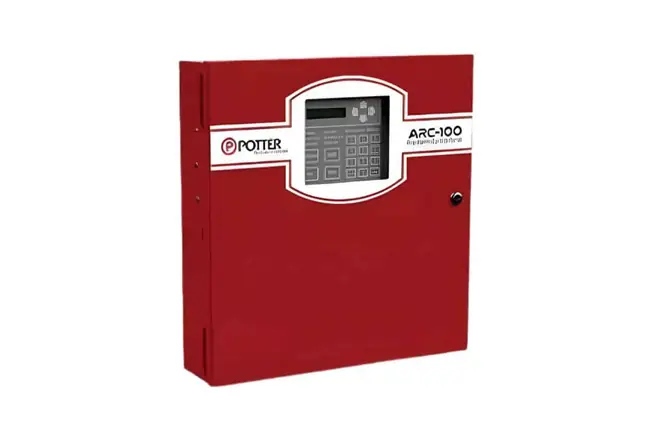
For fire alarm system maintenance Denver properties, I recommend one file path for everything tied to the system, whether digital or physical. That includes annual and periodic testing reports, repair tickets, panel-specific service notes, records of disabled devices or circuits, and any documentation related to monitoring or emergency communications functions if those https://frontrangemaintenanceinsights474.theglensecret.com/why-fire-safety-inspections-denver-can-fail-and-how-to-organize-corrections-after-an-order-notice are part of the system.
The panel deserves special attention. If there has been discussion of a fire alarm panel upgrade Colorado project, preserve the service history that led to that discussion. An inspector may not ask for every old trouble ticket, but a clear record that shows increasing repairs, obsolete parts concerns, or project planning can help explain why work is pending and where things stand.
There is also a practical benefit beyond compliance. When a new alarm contractor takes over a building, a clean history shortens their learning curve. They can see recurring issues, device naming conventions, and prior modifications without reinventing the map.
Water-based fire protection records are broader than many managers realize
When owners think "sprinkler records," they often mean the last sprinkler inspection report. In practice, water-based fire protection usually touches several related records.
Commercial fire sprinkler systems Colorado properties may have documentation tied not only to sprinkler inspections, but also to standpipe components, fire pump testing Colorado activity, and backflow preventer testing Denver service. These do not always sit under one contract or one vendor, which is exactly why owners need to centralize them.
A missing backflow report may not feel connected to a sprinkler inspection until someone asks for the building's water-based testing history and half the story is absent. The same goes for fire pump records. If the site has a fire pump, its testing documentation should be easy to locate alongside the broader suppression records, not hidden in a mechanical contractor folder.
This is one area where naming conventions matter. I like simple labels with the system, building, and date. That sounds mundane until you need to compare several years of reports and discover half of them are called "inspection.pdf."
The best filing system is the one your team will actually use
Some owners swear by binders in the engineer's office. Others go fully digital with shared folders and naming standards. Either can work.
What fails is the hybrid nobody manages. A little in the vendor portal, a little in email, some in a file cabinet, and the rest on a former employee's desktop. During an inspection, that system behaves like no system at all.
For multi-tenant properties in the fire protection Denver metro area, digital usually wins because so many people need visibility. Property management, engineering, ownership, risk management, and outside contractors may all need the same records. But physical copies still help in buildings where inspectors or staff routinely review documents on site.
The smartest setups usually pair a digital master file with a slim on-site binder holding the latest reports and vendor contacts. That way, the building can respond immediately even if the property manager is away or the internet is down.
Records should reflect the building you actually have now
This sounds obvious, but it is a common weak spot after years of lease turnover. A building that has seen repeated suite modifications often has records that describe a past version of the property. The old file says one thing, the current floor plan says another, and the installed devices tell a third story.
Tenant improvements are where this problem shows up most often. Denver materials make clear that tenant finish and alteration work can involve fire suppression and fire alarm permits. If your building has ongoing churn, especially office, retail, mixed-use, or medical tenant space, someone on the ownership side should verify that the fire protection record set is updated after each completed project.
That means not just saving permit paperwork, but also making sure the final inspection or closeout material is actually retained. If a suite changed and the life safety systems changed with it, the owner's records should reflect that final condition.
I have seen small build-outs create big confusion later because the owner had the proposal and invoice, but not the final approved documentation. From an inspection standpoint, that leaves a hole right where clarity is needed most.
A simple annual review prevents most surprises
You do not have to wait for a fire marshal inspection Colorado notice to find gaps. A yearly internal records review, even a modest one, catches most of them. Done well, it takes less time than one rushed day of document hunting.
Here is a practical rhythm that works for many properties:
- Compare the last 12 months of inspection and testing reports against the systems present at the building
- Check whether every deficiency has a documented status, open, repaired, or scheduled
- Confirm that any renovation or tenant improvement work has matching permit and closeout records
- Verify vendor lists, emergency contacts, and file locations with current staff
- Flag recurring system issues that may need budgeting rather than another temporary fix
That review often reveals operational issues, not just filing problems. Maybe the fire extinguisher service Denver vendor is current but the alarm reports are still going to a former engineer. Maybe the sprinkler contractor completed work but never sent the final deficiency closure. Maybe the latest backflow preventer testing Denver report is sitting in accounting because it arrived with an invoice. Better to find those gaps on your schedule than during an inspection.
A note on vendors, accountability, and ownership
Even when service companies are excellent, the owner still owns the recordkeeping problem. Contractors perform inspections and provide reports, but they do not control how those records are stored internally or whether project closeout documents are tied back to the building file.
That is especially true when multiple contractors are involved. One company may handle sprinkler service, another the alarm system, another fire pump testing Colorado work, and another backflow preventer testing Denver service. Some owners also use a local provider for broader support across systems. Pre Action Fire, Inc is a fire protection company serving the Denver area, and companies like that may become part of the owner's year-round compliance picture. Still, the property team needs a single place where all incoming records land.
The easiest way to enforce that is to assign responsibility by role, not by personality. If the system depends on one organized engineer, it will eventually fail when that person changes jobs or goes on vacation. If the responsibility belongs to the property manager, facilities lead, or compliance coordinator as part of standard procedure, the file is more likely to stay intact.
What inspectors tend to appreciate
Most fire officials are not looking for theatrical perfection. They want to see that the building is being managed responsibly. In practice, that means systems are accessible, records are available, and outstanding issues are understood rather than ignored.
A property team that can say, calmly, "Yes, that deficiency was found in June, repaired in July, and here is the follow-up ticket," creates confidence. So does a team that can explain recent remodel work and produce the related permit and inspection documentation without turning the visit into a scavenger hunt.
That is the heart of fire code compliance Denver owners should aim for. Not just passing a single inspection, but building a record trail that matches the actual care of the property.
If your files are messy today, fix them in layers
No owner with an older building has perfect records. Acquisitions, management transitions, tenant turnover, and legacy vendors all leave behind gaps. The answer is not to freeze because the file is incomplete. Start by stabilizing the present.
Gather the latest reports for alarm, sprinkler, suppression, fire pumps if applicable, backflow if applicable, and extinguishers. Separate open deficiencies from closed ones. Pull recent permit records for any remodel or system work. Then work backward where it adds value, especially on recurring issues or unfinished projects.
Within a month or two, most properties can move from disorder to a usable working file. That alone changes how inspections feel. Instead of reacting, you are managing.
And that is really the point. A fire marshal inspection Colorado visit should not be the first time anyone thinks about documentation. The owners who fare best keep their records organized year round because those records reflect something bigger than paperwork. They show that the building's life safety systems are being treated like the critical infrastructure they are.